当地时间9月22日,阿斯利康、勃林格殷格翰、凯西集团、益普生、葛兰素史克、诺和诺德、诺华、罗氏、赛诺菲九家跨国药企董事会主席联合署名发表公开信《欧洲正在输掉制药投资竞赛——但翻盘仍有可能》。
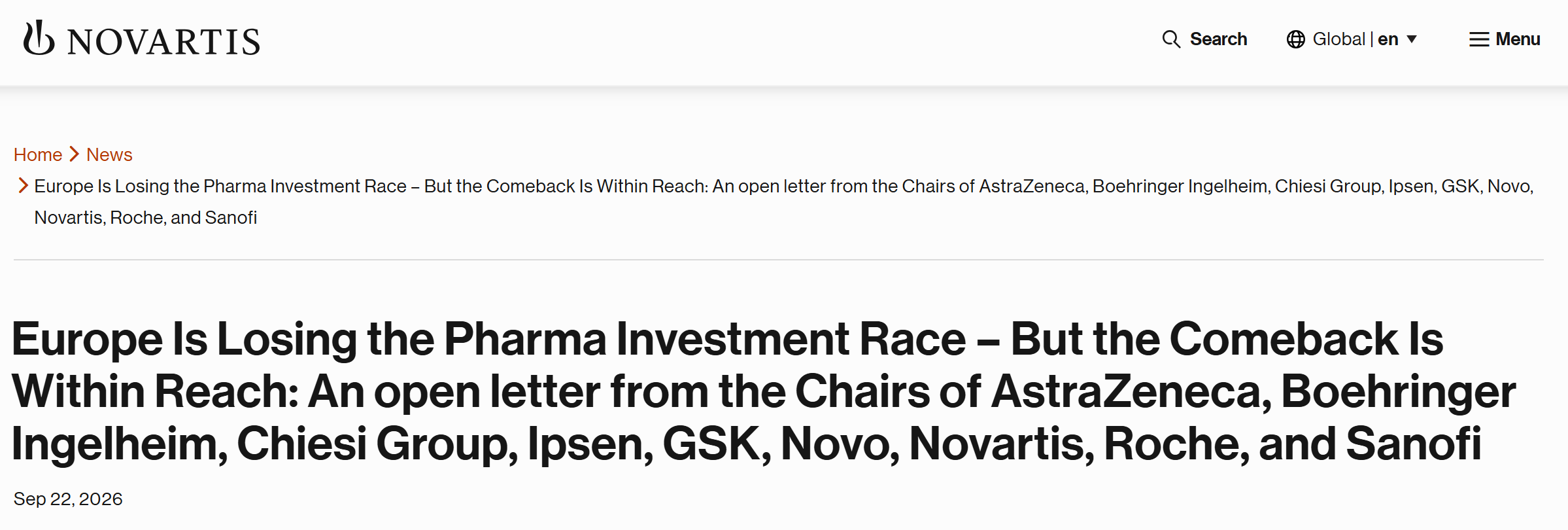
诺华官网截图
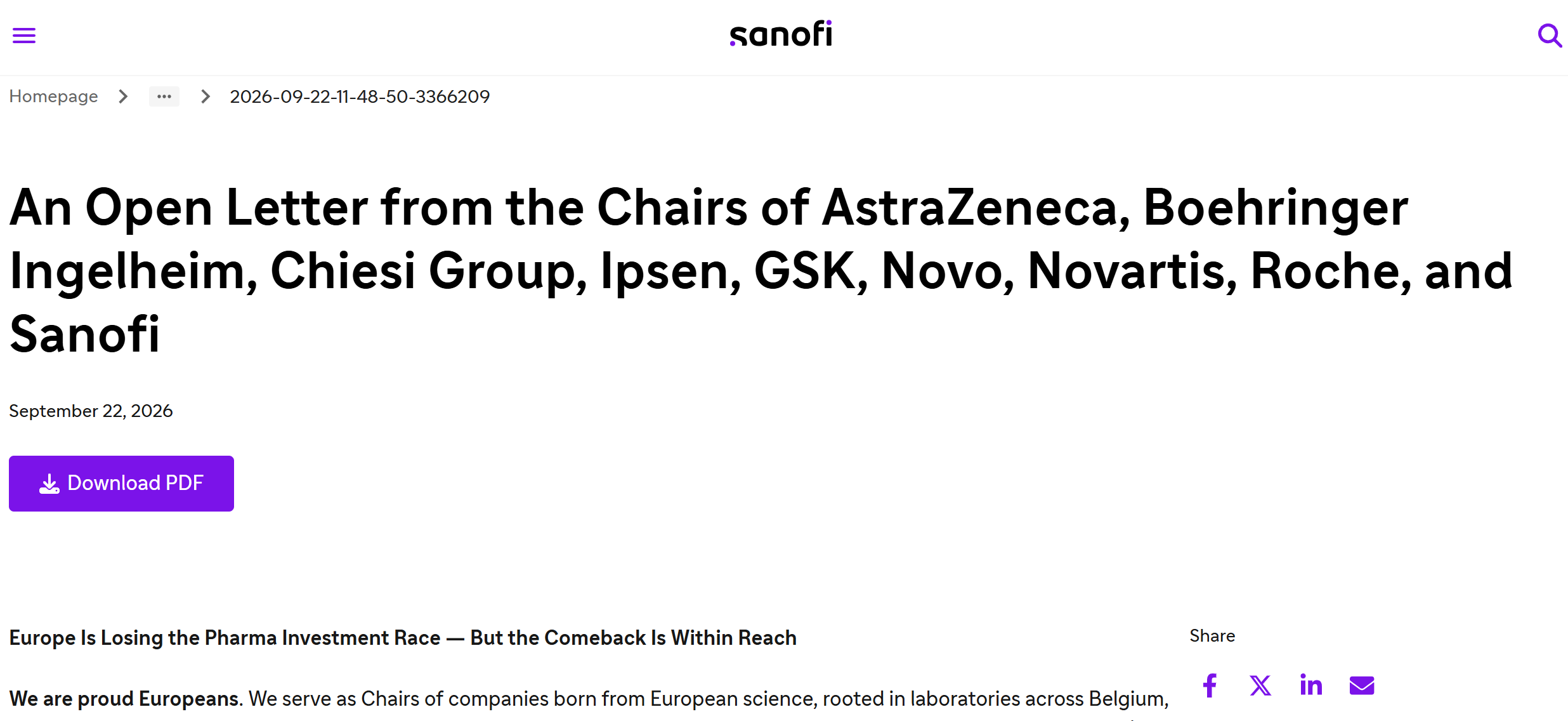
赛诺菲官网截图
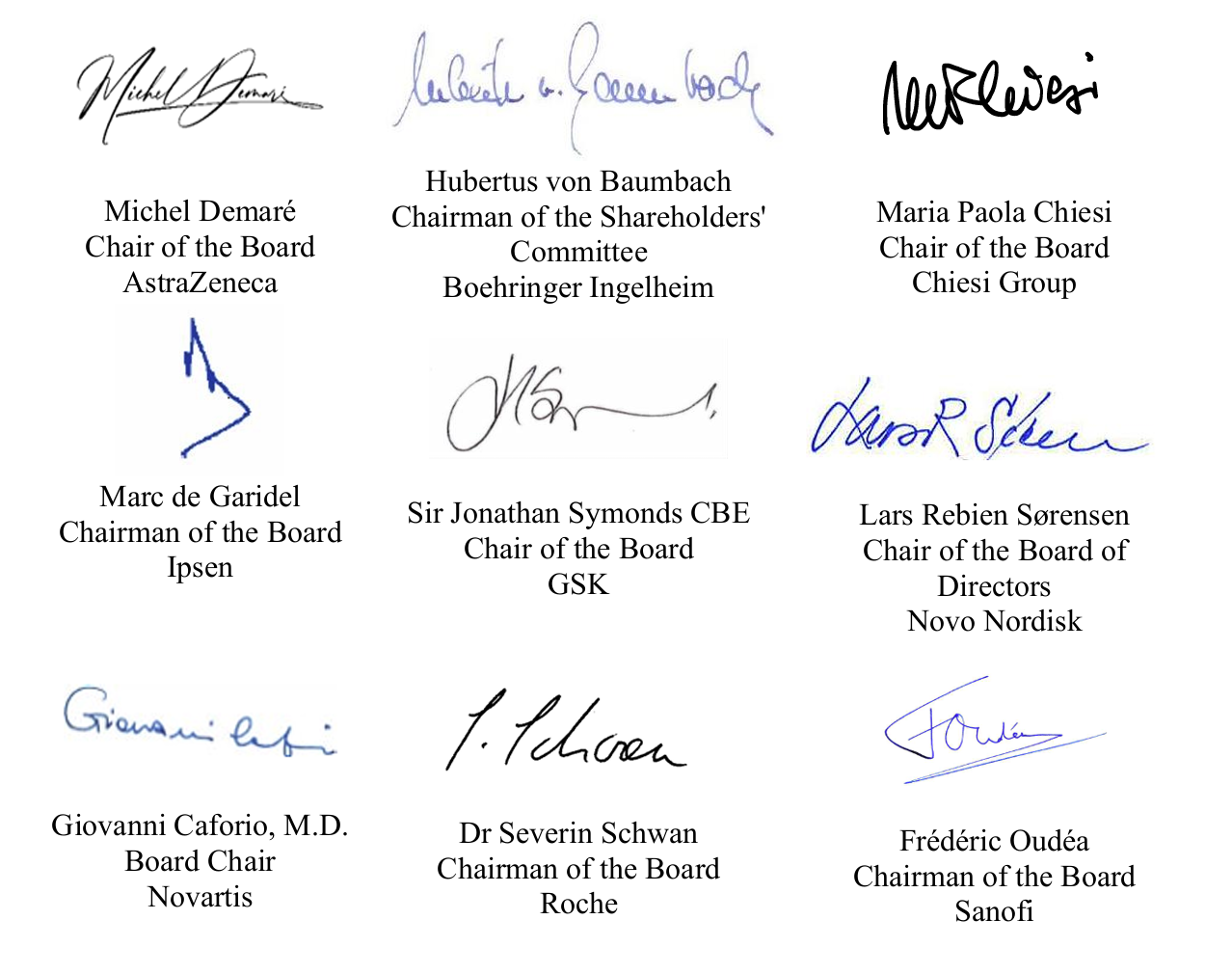
九家药企董事会主席联合署名截图
公开信称,欧洲曾经引领了生物医药战略性产业的全球发展,但如今正在被中国超越。1990年,欧洲占全球制药研发的43%,如今这一比例仅为31%,且仍在下降。欧洲临床试验份额十年内减半至9%。欧洲的警钟正在敲响。正如马里奥・德拉吉所警告的,如果不立刻采取行动,像制药这样的战略行业将陷入“缓慢衰亡”。
公开信指出,一款创新药物从早期研发到上市惠及患者,耗时逾十年,需要约30亿欧元的高风险投入,实验室合成的每一万个候选分子中,最终只有1-2个能成功上市。极少行业需要在如此长周期内承担同等风险。要支撑这样的长期投入,市场和政策必须给予相应的支持。
公开信呼吁,欧盟、欧洲各国政府应行动起来,与我们携手,共同逆转欧洲在生物医药领域竞争力下滑的趋势,开启医学发现的新纪元,保障欧洲的卫生健康主权,我们理解各国面临的财政压力,但和国防、能源一样,现代药品属于关键基础设施,不能依赖他国供给。
中文翻译——
欧洲正在输掉制药投资竞赛,但仍有翻盘机会
——阿斯利康、勃林格殷格翰、凯西集团、益普生、葛兰素史克、诺和诺德、诺华、罗氏、赛诺菲董事会主席联名公开信
我们身为欧洲人倍感自豪。我们所执掌的企业源自于欧洲的科学研究,根植于遍布比利时、丹麦、法国、德国、意大利、西班牙、瑞典、瑞士、英国等多地的实验室,我们的职责是守护企业未来,从而持续研发能够改变患者生命的药物。
制药行业是欧洲战后最伟大的成就之一。它建立在对科学科研、世界一流大学的投入以及发现改变生命药物的决心之上。欧洲向世界贡带来了疫苗,开创了心脏病的疗法,奠定了现代肿瘤治疗的基础,深刻改变了公共卫生格局。
欧洲当年通过激励创新,打造出这一研发密集、生产力强劲的支柱产业,提供了数百万高技能岗位,并创造出超2200亿欧元的贸易顺差。创新药物在欧洲落地使用后,通过降低住院成本、延长健康劳动年限,为经济带来近六倍的回报。我们的行业推动者涵盖药物发现、开发与制造的庞大生态系统,助力医疗体系应对疾病负担加重与人口老龄化的挑战。
然而,这份来之不易的成果正面临危机。在董事会层面,我们亲眼看到欧洲在该领域的优势正在全球竞争中被取代。仅过去两年,美国与中国公布的制药领域投资规模就超过6000亿美元。欧洲各国政府必须尽快创造有利环境,吸引下一代药物研发投资,否则为时已晚。
欧洲的警钟正在敲响。正如马里奥・德拉吉所警告的,如果不立刻采取行动,像制药这样的战略行业将陷入“缓慢衰亡”。1990年,欧洲占全球医药研发投入的 43%,如今这一比例已降至31%,并且还在下降。临床试验是公立医院重要收入来源,还能改善患者预后,然而,欧洲的临床试验份额十年间腰斩,降至9%。中国在临床试验、医药专利以及新药开发领域已经超越欧洲。
对患者而言,后果显而易见:约40%新获批药物始终无法惠及欧洲患者。即便成功上市,患者平均等待用药时间接近600天。欧洲癌症生存率落后于美国。太多患者确诊偏晚,或是无法获得医学指南推荐的治疗药物。
这根源在于数十年来,欧洲一直把药品视作需要压缩的成本项,而非政府最优质的投资之一。陈旧的制度限制创新药使用,预算设置硬性上限。即便患者需求持续增长,支出也无法随通胀调整。政府政策会清晰传递信号:是否重视创新、是否优先保障患者用药可及。
创新企业收到的信号非常明确:欧洲并不认可你们的价值。
当下的政策抉择,将影响现在与未来。一款创新药物从早期研发到上市惠及患者,耗时逾十年,需要约30亿欧元的高风险投入。实验室合成的每一万个候选分子中,最终只有1-2个能成功上市。极少行业需要在如此长周期内承担同等风险。要支撑这样的长期投入,市场必须给予相应回报。
扭转局面刻不容缓,欧洲领导人必须认清风险。欧盟可以发挥赋能作用:加快临床试验审批、保护知识产权、制定合理的数字化政策。至关重要的一点是,欧盟可给予成员国在医疗与创新药投入方面的财政弹性,承认这类投资的回报需要时间兑现。
但仅靠欧盟层面行动远远不够,决定性的权力掌握在各国政府手中:医疗预算投入规模、新药评估与报销速度、医疗体系现代化,以及如何利用现代化的医疗更好实现疾病预防、早诊与治疗。
我们呼吁各国领导人与我们携手,逆转欧洲竞争力下滑的趋势,开启医学发现的新纪元,保障欧洲的卫生健康主权。我们理解各国面临的财政压力,但和国防、能源一样,现代药品属于关键基础设施,不能依赖他国供给。
如果各国政府能够重新平衡数十年来对创新药物领域投入不足的局面,并重新构建新的价值评估框架,充分体现药物带给患者、医疗系统和全社会的综合价值,机遇将就在欧洲眼前。仅临床试验这一项,如果缩小与中美之间的差距,欧洲就有望释放530亿欧元的经济价值,并新增8.2万个就业岗位。
欧洲的故事不必走向衰退与依赖,完全可以迎来复兴与韧性。选择权掌握在各国领导人以及每一位公民手中。如果我们不能拿出魄力行动,未来医药创新的中心将转移至别处,但倘若我们把医疗和药物视作战略资产投入,欧洲不仅能够追赶,还将再度引领全球创新,让欧洲民众拥有更长、更健康的生命。
英文原文——
Europe Is Losing the Pharma Investment Race — But the Comeback Is Within Reach: An open letter from the Chairs of AstraZeneca, Boehringer Ingelheim, Chiesi Group, Ipsen, GSK, Novo, Novartis, Roche, and Sanofi
We are proud Europeans. We serve as Chairs of companies born from European science, rooted in laboratories across Belgium, Denmark, France, Germany, Italy, Spain, Sweden, Switzerland, the UK, and beyond. Our duty is to safeguard our companies’ future so that we can continue to discover and develop life-changing medicines for patients.
The pharmaceutical sector is one of our continent's great post-war achievements. Built on investment in science, world-class universities, and the determination to discover medicines that change lives. Europe gave the world vaccines, pioneered treatments for heart disease, and laid the foundation for today's cancer treatments – transforming public health.
Europe’s choice to incentivise discovery built one of our most productive and research intensive sectors, supporting millions of highly skilled jobs, and generating an EU trade surplus of over €220 billion. The uptake of innovative medicines in Europe returns almost sixfold to the economy through lower hospitalisation costs and healthier working lives. Our sector powers a vast ecosystem spanning discovery, development and manufacturing, while strengthening health systems to manage rising burdens of disease and ageing populations.
But this hard-won inheritance is at risk. In our boardrooms, we see Europe losing ground to global competition. Over $600 billion in pharmaceutical investment has been announced in the US and China in the last two years alone. European governments must create conditions that attract investment in next-generation medicines before it’s too late.
Europe’s alarm bells are ringing. As Mario Draghi warned, without urgent action, strategic sectors like pharmaceuticals face a ‘slow agony’ of decline. In 1990, Europe accounted for 43% of global pharmaceutical R&D. Today, it is 31% and falling. Europe's share of commercial clinical trials, which provide vital revenue for public hospitals and improve patient outcomes, has halved in a decade to 9%. China has overtaken Europe in clinical trials, pharmaceutical patents, and the development of new medicines.
For patients, the consequences are clear: around 40% of newly approved therapies never reach European patients. Among those that do, patients wait nearly 600 days for treatment. Cancer survival in Europe trails the US1. Too many patients are diagnosed late or treated with medicines that fall short of the standard recommended by medical guidelines.
This is the result of decades in which Europe treated medicines as a cost to suppress rather than one of the best investments a government can make. Outdated systems constrain the use of innovative medicines, arbitrarily cap budgets, and fail to adjust spending for inflation despite rising patient need. Government policies send a powerful signal about how innovation is valued and the priority placed on ensuring that patients can access it.
The message to innovators has been stark: Europe does not value what you do.
The decisions we take have consequences today and for years to come. A single innovative medicine takes more than a decade and around €3 billion of at-risk investment before reaching a patient, with only one or two medicines emerging from every 10,000 candidates synthesised in laboratories. Few sectors face comparable risk over such long horizons. That commitment requires a market that rewards it.
It is becoming more urgent to change course. European leaders must recognise the danger. The EU can play an enabling role by accelerating clinical trials, protecting intellectual property, and adopting sensible digital policies. Crucially, the EU could also provide fiscal flexibility to Member States investing in health and innovative medicines, recognising these returns take time to materialise.
But EU action alone is not enough. The decisive levers lie with national governments: how much to invest in health budgets, how quickly new medicines are assessed and funded, and how to modernise healthcare to better prevent, detect and treat disease.
We ask national leaders to work with us to reverse Europe’s declining competitiveness, unleash a new era of medical discovery, and secure health sovereignty. We recognise the fiscal pressures many face. But just like defence or energy, modern medicines should be treated as vital infrastructure and not be left to others to provide.
Opportunities are on Europe’s doorstep if governments rebalance decades of underinvestment in innovative medicines and modernise value frameworks to reflect the total value of what these treatments bring to patients, health systems and the economy. In clinical trials alone, Europe could unlock €53 billion and 82,000 jobs by closing the gap with China and the US.
Europe’s story does not have to be one of decline and dependency; it can be one of renewal and resilience. That choice belongs to national leaders and all of us as citizens. If we fail to act with ambition, our future will be built elsewhere. But if we choose to invest in health and medicines as strategic assets, Europe will not merely catch up – it can set the pace of global innovation once again and enable Europeans to live longer, healthier lives.
来源:医谷网
为你推荐
 资讯
拜耳进博会达成两项合作,共筑肿瘤协同创新生态
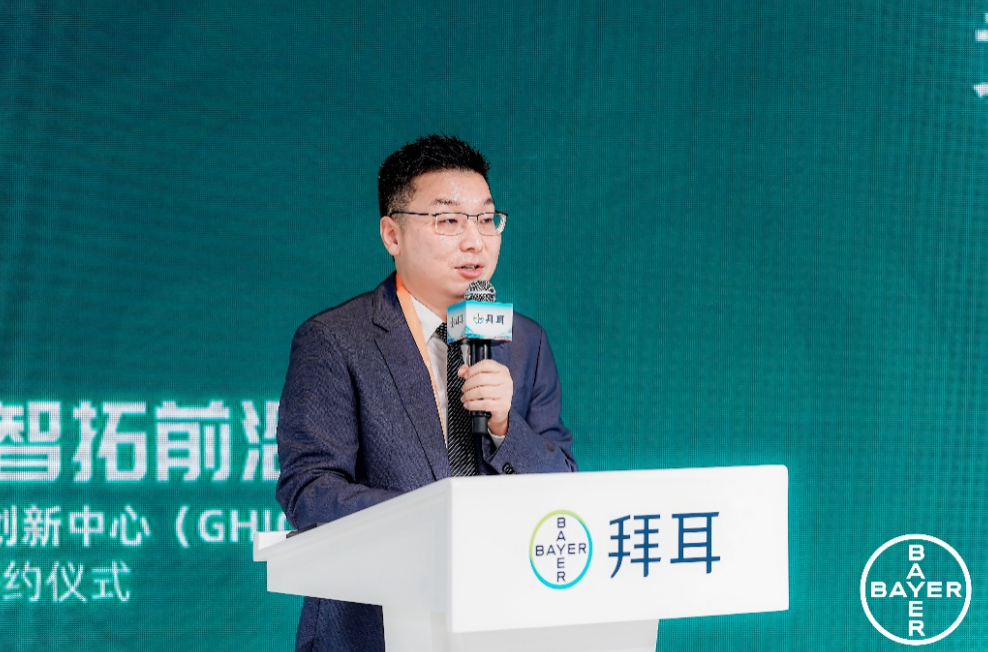
2026年11月8日,第九届中国国际进口博览会期间,拜耳分别与上海临床创新转化研究院(ACITS)、全球健康产业创新中心(GHIC)达成战略合作,
2026-11-08 21:33
 资讯
诺华进博之约:从延长生命到拓展生活,多方共探慢粒“无治疗缓解”新生态
2026年11月8日,在第九届中国国际进口博览会期间,围绕慢粒治疗目标的持续进阶,主题为“诺”守慢粒,奔赴“治愈”之路的科普活动于诺华展
2026-11-08 18:06
 资讯
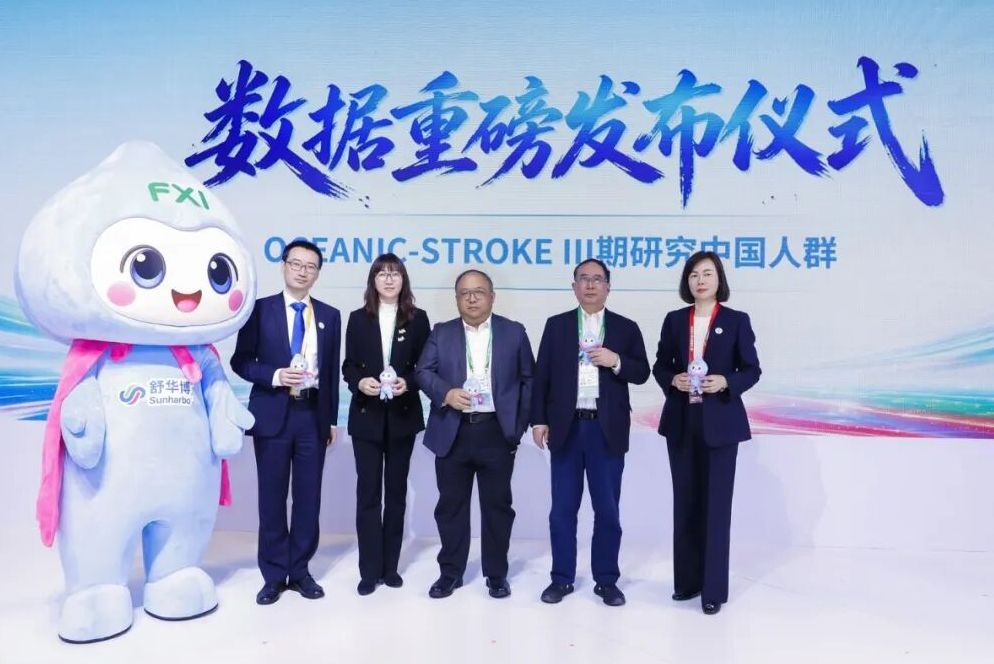
舒华博OCEANIC-STROKE研究中国人群数据发布,为降低卒中风险提供本土循证依据
2026年11月7日,第九届中国国际进口博览会(进博会)期间,拜耳在展台举办“舒华博研发故事与中国人群数据发布”活动,分享全球首个(First
2026-11-08 14:17
 资讯
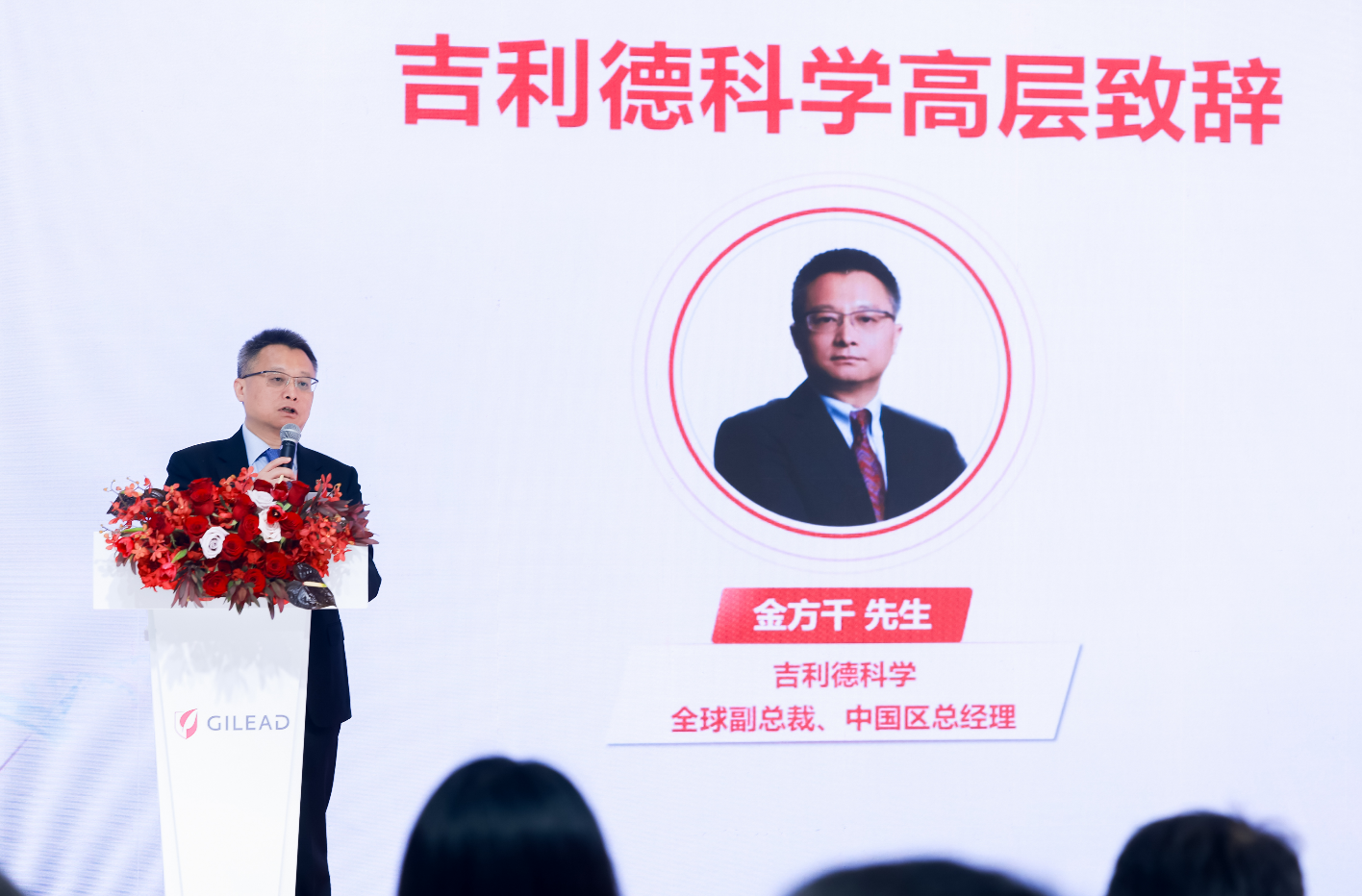
从病毒性肝炎到罕见肝病,吉利德携手多方共话肝病防治新成果
2026年11月8日,第九届中国国际进口博览会期间,全球领先的生物制药企业吉利德展示了其在肝病领域的多款创新疗法,其中包括全球同类首创的
2026-11-08 09:33
 资讯
归来有声|从进博首展到全球回响,RDN患者故事纪录片进博首映
2026年11月6日,第九届中国国际进口博览会期间,美敦力冠脉及肾动脉交感神经消融业务运营部门在进博展台成功举办了“归来有声”RDN创新主题
2026-11-08 09:28
 资讯
诺华公司九赴进博会,深化合作伙伴关系,拓展多元合作边界
在第九届中国国际进口博览会(以下简称“进博会”)上,全球创新药物公司诺华以“创所未见”为主题亮相。作为连续九年参与进博会的“全勤生
2026-11-07 22:17
 资讯
“前程质远”2026前列腺癌质控水平高质提升项目在第九届进博会签约
2026年11月6日,由北京鸿远慈善基金会主办、拜耳医药保健有限公司支持的“前程质远——2026前列腺癌质控水平高质提升项目”在第九届中国国
2026-11-07 19:59
 资讯
政产学研进博会共议医疗创新价值普惠路径,推动冠脉诊疗迈入 AI 新时代
美敦力冠脉及肾动脉交感神经消融(CRDN)事业部以「从听见心脏到读懂心脏」为主题亮相医疗器械展区,展示了 CathWorks FFRangio系统。
2026-11-07 19:52
 资讯
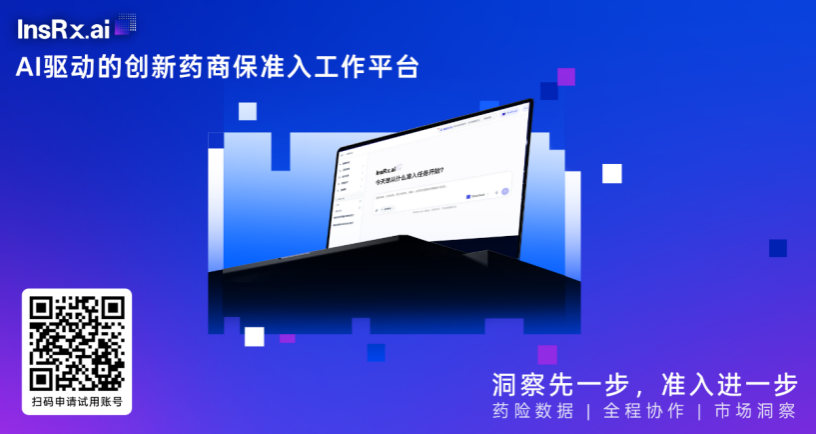
镁信健康InsRx.ai升级焕新,头部药企携手布局商保准入
随着中国创新药产业步入高质量发展的新阶段,商业化落地的“最后一公里”——市场准入,正在经历一场深刻的底层逻辑重塑。对于药企而言,传
2026-11-07 18:57
 资讯
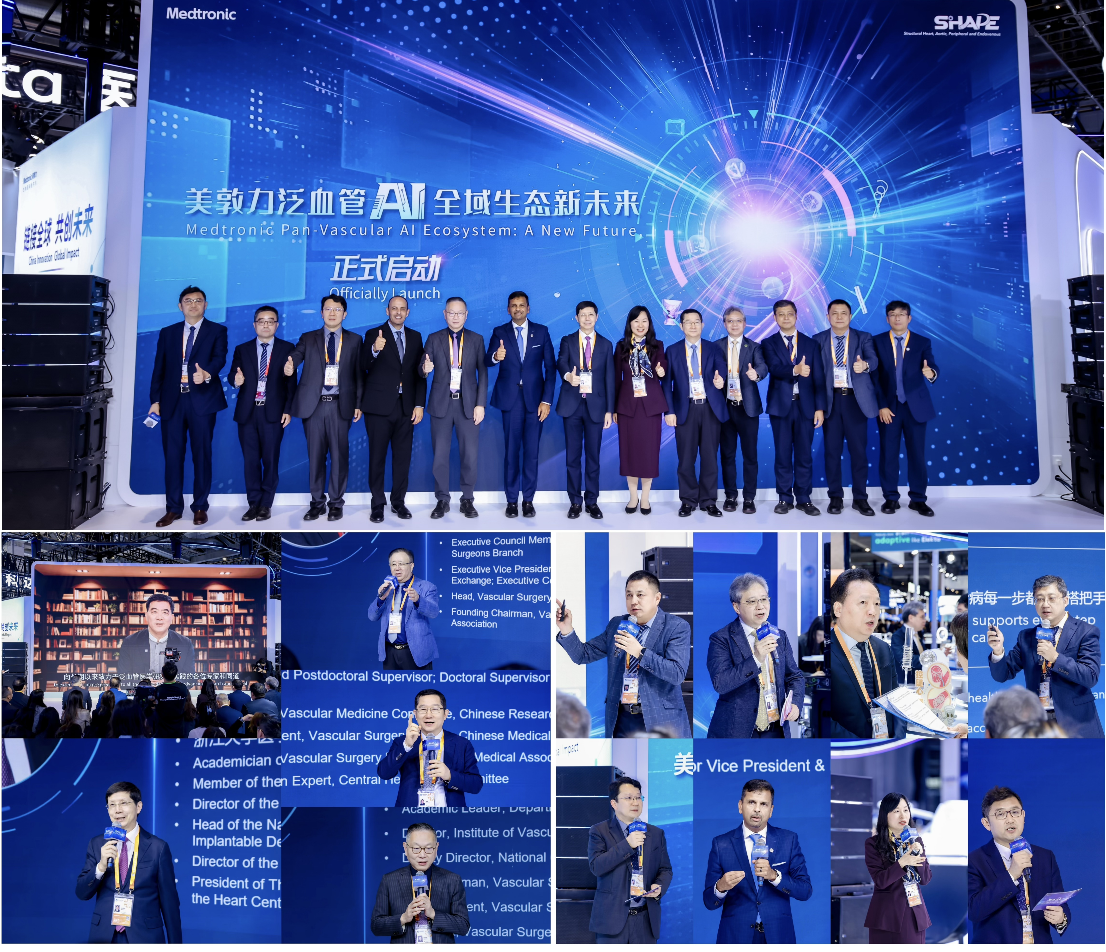
从单点智能到全链路协同,美敦力泛血管AI全域生态发布
2026年11月6日,在第九届中国国际进口博览会期间,美敦力在展台现场举行了智领未来——泛血管AI全域生态发布活动。中国科学院院士、复旦大
2026-11-07 18:16
 资讯
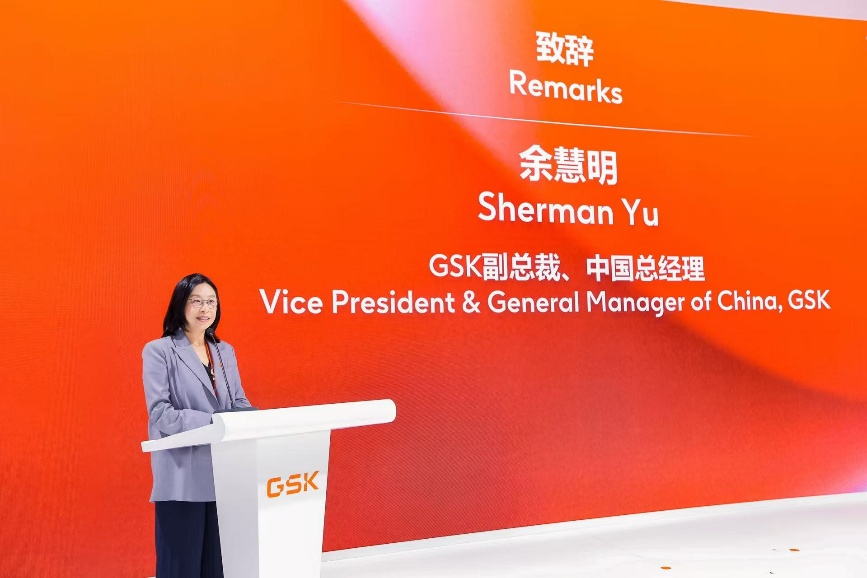
合力超越,更进一步:葛兰素史克九赴进博, 从“创新产品供给”迈向“健康影响创造”
11月6日,第九届中国国际进口博览会(以下简称“进博会”)期间,葛兰素史克(以下简称“GSK”)展台正式揭幕。连续第九年参展,GSK以“健
2026-11-07 15:04
 资讯
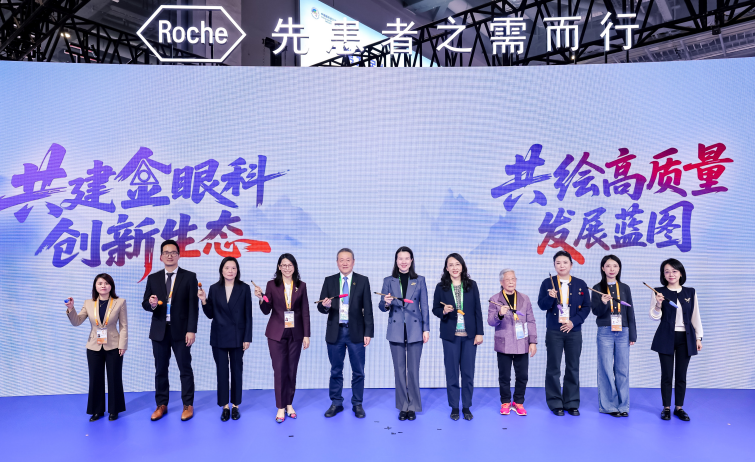
从眼底到全眼科,从供药到赋能:罗氏携手中国眼科学界共建"金眼科创新生态"
2026年11月6日,在第九届中国国际进口博览会上,罗氏制药中国举办 "共建金眼科创新生态 · 共绘高质量发展蓝图 "发布会,携手中国眼科学界
2026-11-07 14:55

 资讯
从技术创新到临床能力,强生医疗科技进博共话专业教育新命题
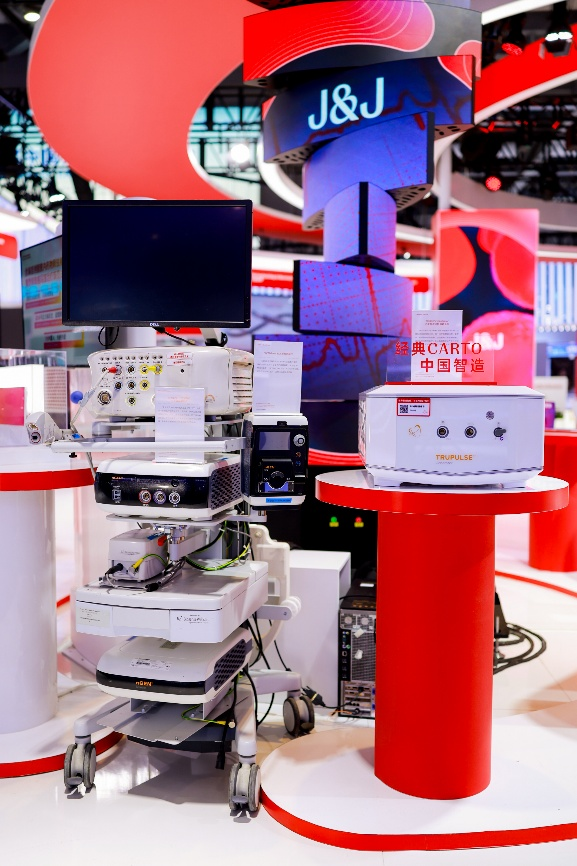
强生医疗科技围绕临床能力成长与专业教育创新展开系列分享与交流,发布《中国青年医师学习曲线研究》趋势洞察初探,并宣布专业教育数字峰会“术科全明星”启航。
2026-11-06 22:43